Walking into an Indian restaurant for the first time can feel exciting—and maybe a little overwhelming.
Butter Chicken. Paneer Lababdar. Dal Makhani. Biryani. Vindaloo. Rogan Josh.
The menu is filled with unfamiliar names, dozens of curries, freshly baked breads, aromatic rice dishes, grilled specialties, vegetarian classics, and regional delicacies.
If you’ve ever searched for Indian food near me, chances are you’ve wondered:
- What should I order first?
- Is every Indian dish spicy?
- Which curry is best for beginners?
- What goes well with naan?
- What’s the difference between Butter Chicken and Chicken Tikka Masala?
The good news is that Indian cuisine isn’t about extreme heat—it’s about layers of flavor, aromatic spices, fresh herbs, slow cooking, and centuries of culinary tradition. Regional Indian cuisines vary widely, with North Indian dishes often featuring creamy gravies and breads, while South Indian cuisine highlights rice, coconut, and fermented specialties.
In this beginner-friendly Indian food guide, we’ll explain everything you need to know before your first visit to an Indian restaurant, including:
- Beginner-friendly dishes
- Mild vs spicy curries
- Vegetarian options
- Popular breads
- Rice dishes
- How to order confidently
- Common myths about Indian food
Whether you’re dining with friends, family, or planning your first date at an Indian restaurant, this guide will help you enjoy every bite.
Why Indian Cuisine Is Loved Around the World
Indian cuisine is one of the world’s most diverse food cultures.
Instead of relying on one dominant flavor, Indian chefs build dishes by carefully layering spices such as cumin, coriander, turmeric, cinnamon, cardamom, cloves, black pepper, ginger, garlic, and fenugreek.
The result isn’t simply “spicy.”
It’s aromatic.
Balanced.
Rich.
Comforting.
Every region of India offers its own signature ingredients, cooking techniques, and flavors, creating thousands of unique recipes rather than one single style of cooking.
Is Indian Food Always Spicy?
Absolutely not.
This is probably the biggest misconception first-time visitors have.
Most Indian restaurants—including Curry Culture Bistro—can adjust spice levels according to your preference.
You can request:
- Mild
- Medium
- Hot
- Extra Hot
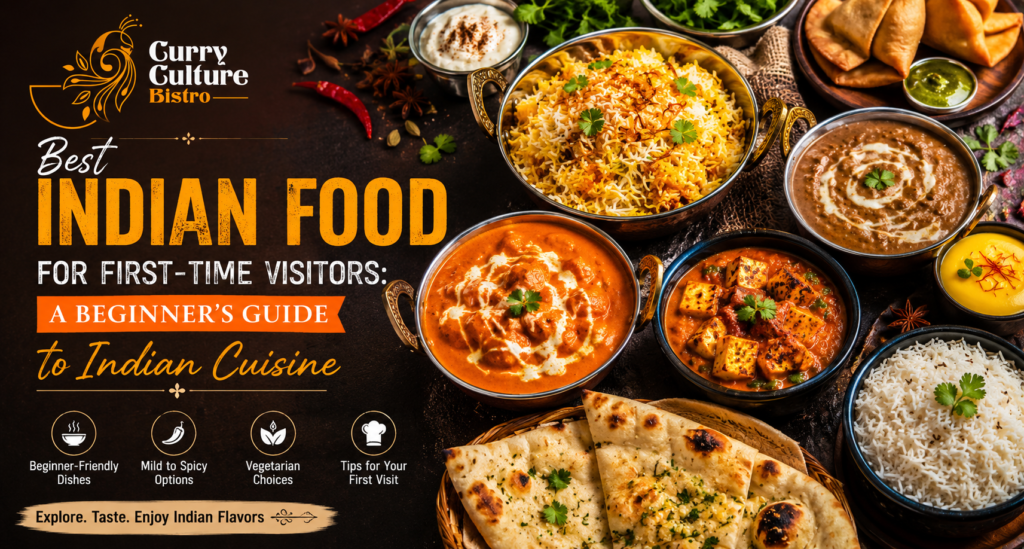
Many beginner favorites are naturally mild, including:
- Butter Chicken
- Paneer Butter Masala
- Dal Makhani
- Malai Kofta
- Garlic Naan
- Vegetable Biryani
Indian cuisine focuses far more on flavor than heat.
1. Butter Chicken — The Perfect First Indian Dish
If there’s one dish nearly every beginner enjoys, it’s Butter Chicken.
Tender tandoor-grilled chicken is simmered in a creamy tomato-based sauce enriched with butter, cream, and aromatic spices. It is widely regarded as one of the most approachable Indian dishes for newcomers because of its balanced, mildly spiced flavor.
Flavor Profile
✔ Creamy
✔ Rich
✔ Mild
✔ Slightly sweet
Best served with:
- Butter Naan
- Garlic Naan
- Jeera Rice
2. Paneer Butter Masala — Best Vegetarian Choice
Vegetarians don’t have to miss out on rich Indian flavors.
Paneer Butter Masala replaces chicken with soft cubes of fresh Indian cottage cheese cooked in the same luxurious buttery tomato gravy.
It’s creamy, comforting, and one of the most recommended vegetarian dishes for first-time diners.
Perfect with:
- Butter Naan
- Plain Naan
- Basmati Rice
3. Chicken Tikka
Not every Indian dish comes in curry form.
Chicken Tikka features boneless chicken marinated in yogurt, garlic, ginger, and spices before being roasted in a traditional clay tandoor.
The result is:
- Smoky
- Juicy
- Tender
- Protein-rich
It’s an excellent option if you prefer grilled dishes over rich gravies.
4. Dal Makhani
One of India’s most iconic comfort foods.
Black lentils are slow-cooked for hours with butter, tomatoes, cream, and aromatic spices until they become incredibly rich and velvety. Slow cooking is a hallmark of many traditional Indian dishes, helping develop deep flavors.
Even meat lovers often become fans after trying it.
5. Vegetable Biryani
If you love rice dishes, don’t miss biryani.
Basmati rice is layered with vegetables, herbs, saffron, and whole spices before being cooked together.
Unlike fried rice, biryani develops flavor through slow cooking, allowing the rice to absorb fragrant spices throughout. Regional versions vary widely across India.
6. Garlic Naan
Never skip the bread.
Fresh naan baked inside a traditional tandoor develops a soft interior with lightly charred edges.
Garlic naan pairs perfectly with nearly every curry on the menu.
7. Samosas
The ideal appetizer.
These crispy pastries are filled with:
- Potatoes
- Green peas
- Mild spices
Served with tamarind and mint chutneys, samosas offer a flavorful introduction to Indian snacks.
8. Mango Lassi
Need something refreshing?
A Mango Lassi combines fresh mango, yogurt, and a touch of sweetness into a smooth, cooling drink that pairs wonderfully with flavorful dishes.
Understanding Indian Curry Styles
Not all curries taste alike.
Creamy Curries
- Butter Chicken
- Paneer Butter Masala
- Malai Kofta
Perfect for beginners.
Tomato-Based Curries
- Chicken Tikka Masala
- Kadai Chicken
Balanced and flavorful.
Onion-Based Curries
- Rogan Josh
- Bhuna
Rich and deeply aromatic.
Lentil Curries
- Dal Tadka
- Dal Makhani
Comforting and nutritious.
Understanding Indian Spice Levels
Indian restaurants usually customize spice levels.
Mild
- Great for first-time visitors.
Medium
- Balanced flavor with gentle heat.
Hot
- Noticeably spicy.
Extra Hot
- For experienced spice lovers.
Don’t hesitate to tell your server if you’re new to Indian food—they can guide you toward dishes that match your comfort level.
Vegetarian Indian Food Is World-Class
One of the best parts of Indian cuisine is its incredible vegetarian variety.
Popular options include:
- Paneer Butter Masala
- Chana Masala
- Dal Makhani
- Palak Paneer
- Vegetable Biryani
- Aloo Gobi
Indian cuisine has a long tradition of vegetarian cooking, making it one of the easiest cuisines to enjoy without meat.
Common Myths About Indian Food
Myth 1: Everything Is Spicy
False.
Many dishes are naturally mild and can be customized.
Myth 2: Every Curry Tastes the Same
False.
Each curry uses a different combination of spices, cooking methods, and ingredients.
Myth 3: Indian Food Is Only About Curry
False.
Indian cuisine includes:
- Tandoori grills
- Rice dishes
- Street food
- Breads
- Snacks
- Desserts
- Regional specialties
What to Order on Your First Visit
A balanced beginner-friendly meal could include:
- Starter: Vegetable Samosa
- Main: Butter Chicken or Paneer Butter Masala
- Bread: Garlic Naan
- Rice: Basmati Rice or Jeera Rice
- Drink: Mango Lassi
- Dessert: Gulab Jamun
This combination introduces you to the core flavors of Indian cuisine without overwhelming your palate.
Tips for First-Time Indian Restaurant Visitors
- Ask your server for spice recommendations.
- Share a few dishes with your group to sample different flavors.
- Pair curries with naan or rice.
- Try at least one vegetarian dish—you may be pleasantly surprised.
- Save room for a traditional dessert.
Why Curry Culture Bistro Is a Great Place to Begin Your Indian Food Journey
If you’re searching for Indian food near me in Downtown Kitchener, Curry Culture Bistro offers an approachable menu with authentic flavors, customizable spice levels, freshly prepared dishes, and welcoming hospitality.
Whether you’re trying Indian cuisine for the first time or revisiting familiar favorites, you’ll find options ranging from creamy curries and grilled tandoori specialties to vegetarian classics, fresh naan, aromatic biryanis, and refreshing beverages—all prepared with quality ingredients and traditional cooking techniques.
Frequently Asked Questions
What is the best Indian food for beginners?
Butter Chicken, Paneer Butter Masala, Garlic Naan, Vegetable Biryani, and Dal Makhani are among the easiest dishes to enjoy on your first visit.
Is Indian food always spicy?
No. Most Indian restaurants allow you to choose your preferred spice level, and many dishes are naturally mild.
What bread should I order?
Garlic Naan is the most popular choice for beginners because it pairs well with almost every curry.
What’s the difference between Butter Chicken and Chicken Tikka Masala?
Butter Chicken is typically richer, creamier, and milder, while Chicken Tikka Masala has a more pronounced tomato flavor and a slightly bolder spice profile.
Can vegetarians enjoy Indian food?
Absolutely. Indian cuisine offers a wide range of vegetarian dishes featuring paneer, lentils, chickpeas, spinach, potatoes, cauliflower, and seasonal vegetables.
Recent Posts
-
 Top Restaurants Near Victoria Park Kitchener for Authentic Indian Food
 -
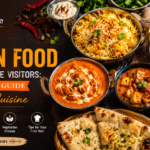 Best Indian Food for First-Time Visitors: A Beginner’s Guide to Indian Cuisine
 -
 Best Date Night Restaurant in Kitchener: Why Authentic Indian Dining Creates the Perfect Evening
 -
 Best Indian Takeout in Kitchener for Busy Weeknights: Delicious Meals Without the Wait
 -
 Hosting a Summer Party? Here’s Why Indian Catering Is a Crowd Favorite